


Current Sensors: Principles, Technologies, and Future Trends
Current sensors are indispensable components in modern electronic systems, widely used in power monitoring, motor control, battery management, and renewable energy systems. With the rapid development of electric vehicles, industrial automation, and smart grids, the demand for high-precision, high-reliability, and miniaturized current sensors continues to grow.
Overview and Working Principles of Current Sensors
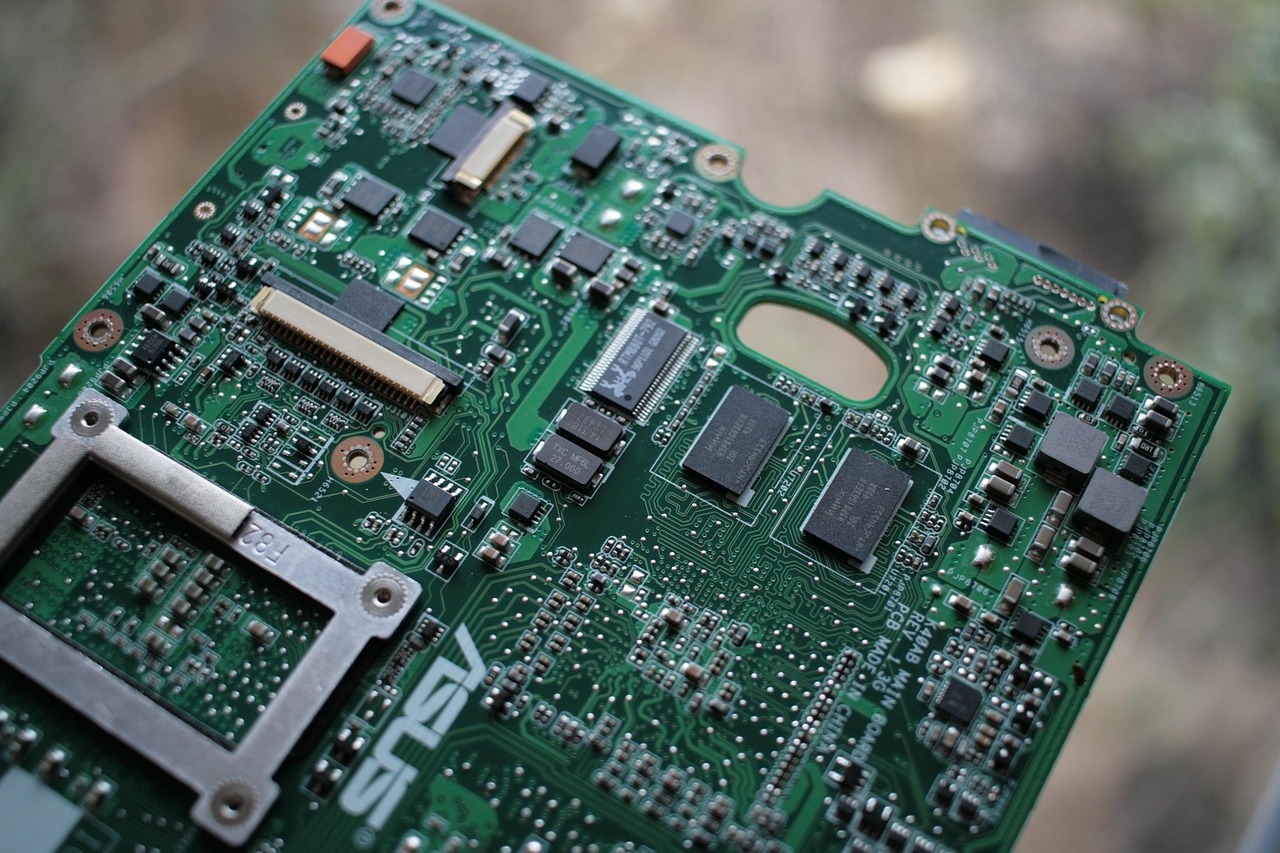 A current sensor is a device used to measure electric current. Its core function is to convert the current signal into a processable electrical signal for further monitoring, control, and analysis. Current sensors are widely used in power systems, industrial automation, new energy, and home appliance monitoring, and are key components for realizing smart grids, efficient energy management, and precise control.
The working principles of current sensors can be mainly divided into direct measurement and indirect measurement. Direct measurement involves calculating the voltage drop across a resistor when current flows through it, based on Ohm's law. This method is simple and direct but may introduce additional voltage drops, affecting system efficiency. Indirect measurement refers to measuring the magnetic field generated around a conductor, based on Ampere's law and Faraday's law of electromagnetic induction, to indirectly measure the current. Common indirect measurement methods include the Hall effect, magnetoresistive effects (such as AMR, GMR, TMR), and Rogowski coils.
Classification of Current Sensors
Based on their working principles and application scenarios, current sensors can be categorized as follows:
1. Hall Effect Current Sensors: Utilizing the Hall effect, these sensors output a voltage signal proportional to the current when the magnetic field generated by the current passes through the Hall element. They support both AC and DC detection, offer fast response times, and have a wide measurement range, making them suitable for high-voltage applications.
2. Current Transformers (CTs): Based on electromagnetic induction, the primary current induces a proportional, reduced current in the secondary winding (usually converted to a voltage signal). These sensors are only suitable for AC detection, provide good isolation, are cost-effective, and are commonly used for detecting large AC currents at power frequencies.
3. Rogowski Coil Current Sensors: A hollow coil wrapped around the conductor being measured outputs a voltage proportional to the rate of change of the current, which needs to be processed through an integrator to obtain the current signal. These sensors have no magnetic saturation, an extremely wide measurement range, and a broad frequency response, making them ideal for high-frequency pulse current detection.
4. Fluxgate Current Sensors: Based on the fluxgate effect, these sensors measure changes in magnetic flux to determine the current. They offer a wide measurement range, high precision, fast response, and strong anti-interference capabilities, making them suitable for high-precision current measurements.
Mainstream Sensing Technologies
Currently, the mainstream technologies for current sensors include the Hall effect, electromagnetic induction, and Rogowski coils. Hall effect sensors dominate the global market due to their non-contact measurement, high precision, and durability, and are widely used in industrial automation and new energy fields. Electromagnetic induction current sensors are extensively used in power systems for their low cost and good isolation. Rogowski coils excel in large current measurements and high-frequency applications due to their flexible design and resistance to magnetic saturation.
Future Development Trends
In the future, the current sensor market will trend towards higher precision, smaller size, and lower power consumption. With the increasing popularity of electric vehicles and renewable energy systems, the demand for high-precision, high-reliability, and high-isolation voltage current sensors will continue to rise. Additionally, intelligent sensors and integrated solutions will gradually become mainstream to meet the needs of complex systems for current monitoring and control.
Popular Current Sensors Recommendation
Here are some popular current sensor chips on the market recently, for engineers and researchers to reference:
Current Sensor Model | Features | Application Fields |
ACS37030 | 5 MHz bandwidth, 20% smaller size, suitable for SiC/GaN systems | Electric vehicle inverters |
CZ39 Series | 100 ns response time, 30% size reduction, low heat generation | Onboard chargers |
TLE4971 | 210 kHz bandwidth, 120 A range | Automotive onboard chargers |
CUR423x | High-voltage battery monitoring, coreless design, 25% reduced module size | Hybrid and electric vehicles |
TMCS1100/1101 | 3 kV isolation, low drift, high precision | Industrial motor drives, solar inverters |
NSM2019 | High isolation, low impedance, no external isolation components required | Industrial and automotive systems |
These Current Sensors chips, with their high performance and innovative designs, meet the strict requirements for current measurement in various application scenarios and drive the further development of current sensor technology. Engineers can select the appropriate chips based on specific needs to achieve the best measurement results.
Website: www.conevoelec.com
Email: info@conevoelec.com


