


MSP430 Selection Essentials: 16-Bit Ultra-Low-Power Mixed-Signal MCUs
The MSP430 series is a 16-bit RISC architecture mixed-signal processor (Mixed Signal Processor) introduced by Texas Instruments (TI), renowned for its sub-microampere standby power consumption (as low as 0.1μA) and 1μs ultra-fast wake-up capability. This series integrates a 16-bit CPU core, multi-channel ADC/DAC, hardware multiplier, and LCD controller into a single chip, achieving a true "single-chip solution."
Its unique clock system comprises a basic clock system, frequency-locked loop (FLL/FLL+) clock system, and DCO digital oscillator clock system. Through software control, the system can flexibly switch between active mode (AM) and five low-power modes (LPM0 to LPM4). Power consumption in real-time clock mode is only 2.5μA, with wake-up time from standby mode as short as 1μs. This design philosophy of "remaining dormant most of the time and waking up on demand" enables MSP430-based devices to operate for 10 to 20 years on a single coin cell battery. Furthermore, the latest FRAM series supports 10¹⁵ write cycles and 200nA/bit write power consumption, eliminating the endurance limitations of traditional Flash.
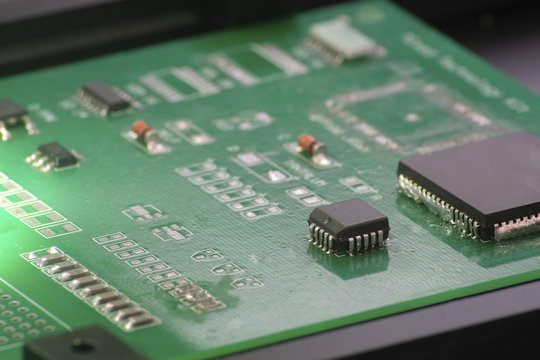
Classic MSP430 Series Models
The MSP430 provides a comprehensive development toolchain, including the Code Composer Studio IDE, MSP430Ware software library, and on-chip debugging interface based on JTAG. Flash-type devices support program download followed by debugging without requiring external emulators or programmers, significantly lowering the development barrier.
Current mainstream MSP430 series MCU selections are as follows:
Model | Core Features | Typical Applications |
16KB Flash, 10-bit ADC, LPM3 standby 0.9μA, USI interface | Wireless sensor nodes, entry-level development | |
128KB Flash, USB 2.0, 3-channel DMA, 640-segment LCD driver | Industrial data loggers, PC peripherals | |
16KB FRAM, 4KB SRAM, 12-bit SAR ADC, energy harvesting optimized | Portable medical devices, environmental monitoring | |
256KB FRAM, AES-256 encryption engine, LEA accelerator | Smart meters, security terminals | |
Integrated Ethernet MAC (external PHY required), 256KB Flash, 16KB RAM | Industrial gateways, network terminals |
Key MSP430 Series Selection Considerations
Faced with the extensive MSP430 model portfolio, selection can be approached from the following dimensions:
1. Memory Requirements and Technology Path
Estimate code and data volumes to determine Flash/FRAM size. If high-frequency data logging or frequent parameter updates are involved, the FRAM series should be prioritized, as its write speed and endurance far exceed those of Flash.
2. Peripheral and Interface Matching
Analog: Clarify ADC channel count, resolution, and sampling rate, as well as whether on-chip comparators or operational amplifiers (such as SAC modules) are needed
Digital: Verify timer count, GPIO pin count, and communication interfaces (UART/SPI/I²C) to meet sensor and actuator requirements
Special Functions: Determine whether USB, LCD driving, hardware encryption, or specific scan interfaces (ESI) are required
3. Refined Power Budget
Cross-reference current parameters for each mode in the datasheet to ensure the system can meet endurance requirements during standby and sleep states.
4. Packaging and Supply
The MSP430 offers various packages ranging from extremely small BGA to LQFP. For mass production projects, attention must be paid to package dimensions, soldering processes, and confirmation of supply stability and lifecycle status through reliable TI channels.
Conclusion
The MSP430 series maintains its competitive edge in IoT, industrial sensing, and portable medical applications through its mature five-level low-power architecture, rich product portfolio (from early ROM/OTP to modern FRAM), and comprehensive ecosystem support.
Selection should follow the principle of "power consumption priority, peripheral matching, and memory adaptation." Combining this with the MSP-EXP430G2 LaunchPad development board for rapid prototyping can significantly shorten the productization cycle. For beginners, it is recommended to start with the MSP430G2553 using the Energia IDE, then gradually transition to the professional CCS development environment.
Website: www.conevoelec.com
Email: info@conevoelec.com


