


ASUS Clarifies: No Plans to Build a DRAM Factory
Recently, there have been market rumors that ASUS is planning to enter the DRAM manufacturing sector, with claims that ASUS could start producing its own DRAM chips as early as 2026. However, ASUS issued a clear statement on December 26, confirming that the company has no plans to invest in building a wafer fabrication plant. This clarification indicates that ASUS will not be entering the DRAM chip manufacturing field in the near term.
Market Background: DRAM Shortages and Price Hikes
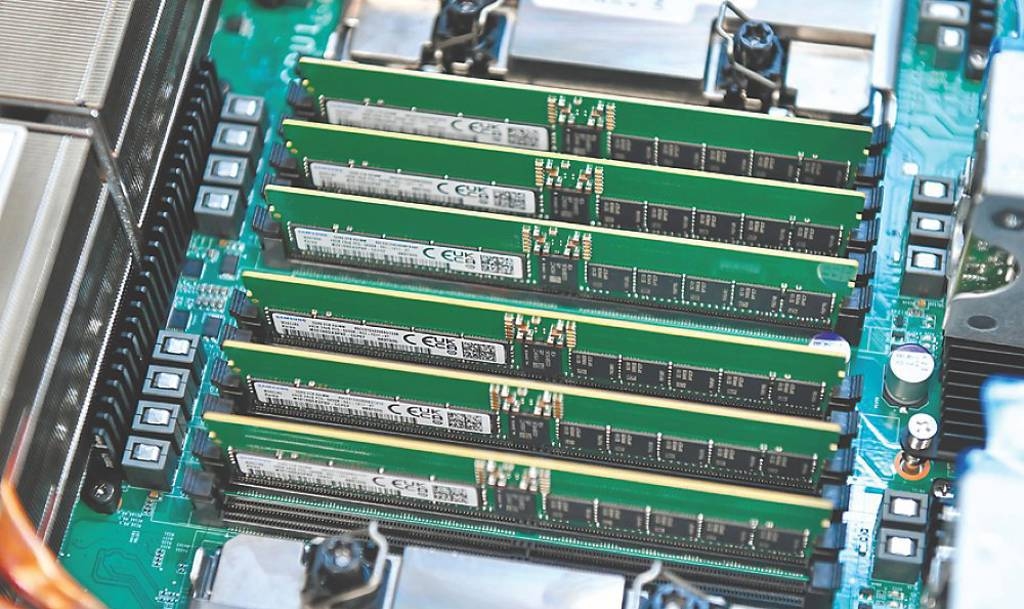
Currently, the global DRAM market is facing severe shortages and significant price increases. AI companies are hoarding memory chips to meet the demands of their data centers, leading to tight supplies in the consumer-grade memory market. For example, the price of a 16GB DDR5 memory module soared from $40 in July to $105 in October, with spot prices in November fluctuating frequently and even reaching up to $180 at one point. This shortage and price surge have put immense pressure on PC manufacturers, forcing brands like ASUS to consider strategies to cope.
ASUS's Response Strategy
 In response to the DRAM shortage and price increases, Samson Hu, Co-CEO of ASUS, stated that each manufacturer's response timeline varies and must be adjusted according to the needs of channel customers and consumers. ASUS plans to address market changes by deepening cooperation with memory suppliers, adjusting product specifications, and optimizing product lifecycles. Additionally, Hu pointed out that it is inevitable for brands to moderately reflect cost increases in their product pricing.
Industry Impact and Future Outlook
ASUS's clarification has had a certain impact on the market. On one hand, it has eliminated market expectations of ASUS entering the DRAM manufacturing field, avoiding potential over-competition and market fluctuations. On the other hand, it shows that ASUS will continue to focus on its core business, addressing DRAM shortages through supply chain optimization and product strategy adjustments. Moving forward, as the supply and demand dynamics of the memory market evolve, ASUS is likely to continue adjusting its product and market strategies to maintain competitiveness.
This clarification from ASUS not only provides clear information to the market but also reflects the company's prudent strategy in the face of industry challenges. Amid the DRAM shortage, ASUS has chosen to optimize its supply chain and product strategies rather than directly entering the manufacturing sector—a decision that aligns with its long-term development interests.
Conevo Electronic Components Distributor
Conevo chip distributors are dedicated to providing customers with efficient, reliable and diverse chip solutions. In terms of popular IC components, Conevo offers a wide range of products from high-performance processors to low-power sensors, which are widely used in consumer electronics, industrial control, automotive electronics and other fields. Here are several popular IC chips from Conevo:
● P1011NXN2HFB: A high-performance embedded processor, suitable for industrial control and Internet of Things devices, featuring powerful processing capabilities and low power consumption.
● MAX3072EESA+T: A high-precision analog front-end chip, widely used in medical devices and industrial sensors, is favored by the market for its high precision and low noise characteristics.
● STM8S207S8T6C: A cost-effective 8-bit microcontroller, suitable for consumer electronics and home appliance control, featuring a rich array of peripheral interfaces and flexible programming capabilities.
Website: www.conevoelec.com
Email: info@conevoelec.com


