


Samsung Electronics Strike Crisis: Global Chip Supply Chain Faces New Challenge
On March 9, 2026, Samsung Electronics, the global semiconductor giant, faces a new labor crisis. The "Joint Struggle Headquarters," comprising three major unions representing approximately 89,000 employees, officially launched a strike authorization vote. This voting process, lasting until March 18, will determine whether Samsung Electronics faces the largest labor conflict in its corporate history.
Since December 2025, unions and management engaged in arduous negotiations spanning over eight months regarding salary and performance bonus systems, which officially broke down on February 19, 2026. The National Labor Relations Commission of South Korea announced the termination of mediation on March 3, clearing legal obstacles for the unions to initiate strike procedures. According to union plans, if the vote secures majority approval, a large-scale rally will be held at the Pyeongtaek semiconductor complex on April 23, followed by an 18-day nationwide general strike from May 21 to June 7.
The Performance Bonus Dispute
The core sticking point in this labor dispute centers on the fairness of the Over-Performance Incentive (OPI) system. Currently, Samsung's OPI imposes a rigid cap of 50% of annual salary and uses Economic Value Added (EVA) as a complex and opaque calculation benchmark. In contrast, competitor SK Hynix not only removed the performance bonus ceiling but also uses total operating profit as the calculation baseline, with employee performance bonuses reaching 2,964% of base salary—a historic high.
The income gap is striking. According to industry sources, an engineer earning 100 million KRW annually at Samsung receives approximately 50 million KRW in OPI bonuses, while peers at SK Hynix in equivalent positions may receive up to 150 million KRW. This massive disparity of "equal work, unequal pay" has intensified Samsung employees' dissatisfaction against the backdrop of the semiconductor industry's super-cycle.
The unions have put forward three core demands: removing the 50% OPI cap on annual salary, replacing EVA with operating profit as the calculation benchmark, and achieving a 7% salary increase. Samsung management's proposal of a 6.2% raise and alternative calculation options was rejected by the unions for failing to address the fundamental issue of "removing the cap."
Unions' Hardline Pressure Tactics
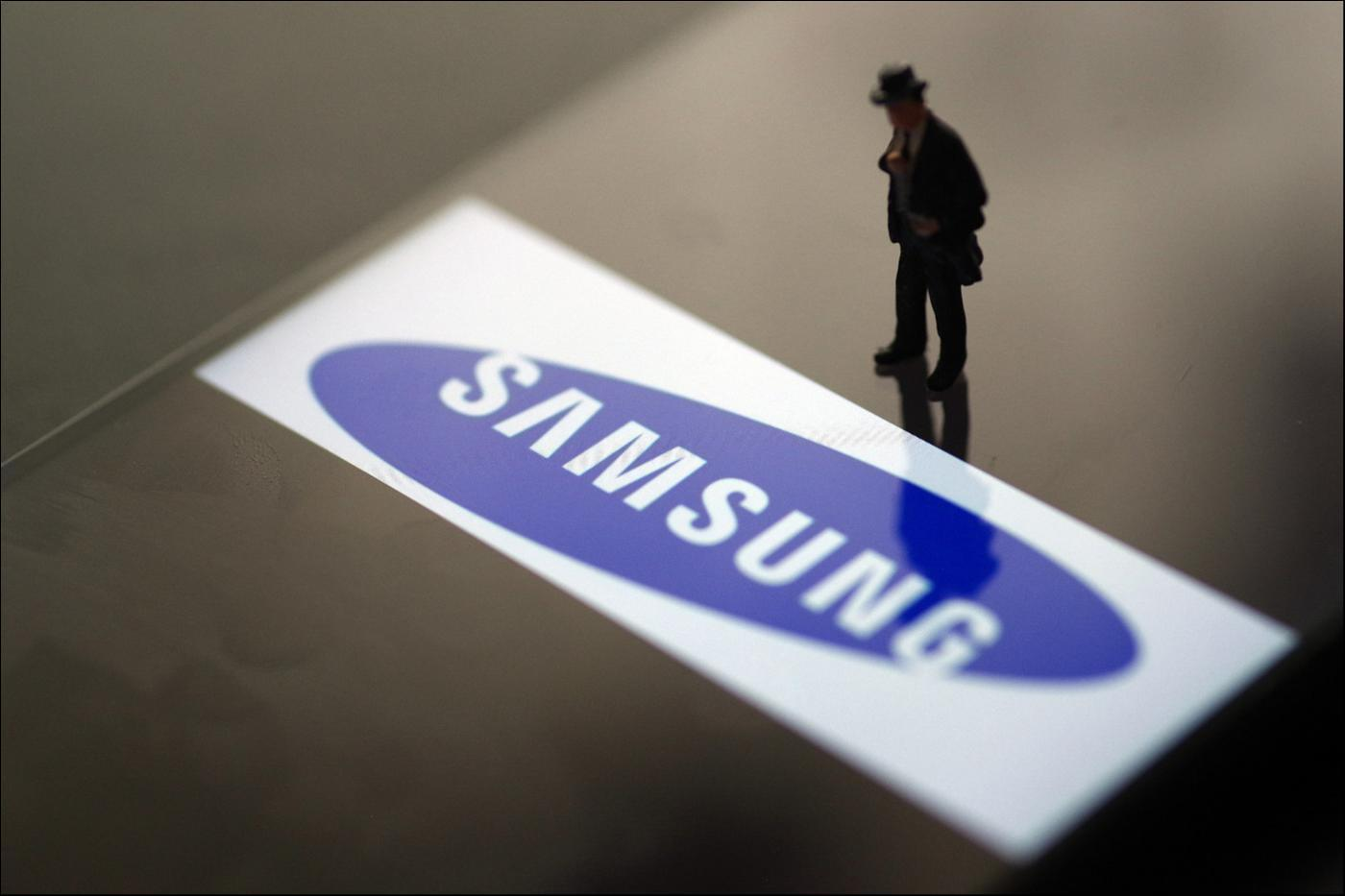 To ensure strike participation, the unions have adopted unprecedented hardline strategies. Union Chairman Choi Seung-ho explicitly stated they would establish a "list of employees who continue working during the strike," with these individuals receiving priority consideration in subsequent matters involving forced transfers or dismissals. Additionally, a reporting center has been set up to reward members who report "uncooperative" employees. This "blacklist" mechanism has sparked significant controversy within the company, with some employees concerned it will damage organizational culture and ultimately harm the company's overall interests.
Notably, the majority of union members come from the Device Solutions (DS) division responsible for semiconductor operations—the core profit pillar overseeing R&D and manufacturing of DRAM, NAND Flash, and advanced logic chips. With 89,000 union members accounting for over 60% of total company employees, the extensive coverage makes the potential impact of a strike on production operations impossible to ignore.
HBM Supply Chain Crisis
The market's greatest concern is the strike's impact on High Bandwidth Memory (HBM) production. Samsung is currently making all-out efforts to supply HBM4 memory for NVIDIA's next-generation AI accelerators—a product characterized by long manufacturing cycles, complex processes, and stringent yield control requirements. The late-May strike timing coincides with a critical period for production ramp-up; any large-scale work stoppage could disrupt shipping schedules, reduce product yields, or decrease output.
This is not merely Samsung's crisis but a hidden risk for the global chip supply chain. Against the backdrop of continuously surging AI computing demand, HBM supply is already tight. If the world's largest memory chip manufacturer faces an 18-day shutdown, it could further exacerbate the global chip shortage, affecting the entire electronics industry ecosystem from data centers to consumer electronics.
CONEVO IC Parts Solution
CONEVO Electronics offers resilient procurement solutions for OEM and EMS partners worldwide. Also, CONEVO is specializing in high-demand component categories including FPGA, MCU, DSP, data converters, and power management ICs. Here are some of the selected integrated circuits.
• MPC5200CBV400: NXP's PowerPC G2_LE microprocessor delivering 400MHz performance with integrated DDR controller, designed for robust embedded networking and industrial control applications requiring 32-bit RISC processing across -40°C to 85°C operating ranges.
• TDA7498LTR: STMicroelectronics' 80W+80W dual BTL Class-D audio amplifier featuring 90% efficiency and four selectable gain settings, engineered for high-fidelity home audio systems and active speaker applications in a thermally optimized PowerSSO-36 package.
• INA139NA/3K: Texas Instruments' high-side current shunt monitor offering unipolar precision sensing with 2.7V–40V common-mode range and single-resistor gain configuration, enabling accurate current measurement in automotive, battery management, and portable power systems with minimal 60µA quiescent current draw.
Website: www.conevoelec.com
Email: info@conevoelec.com


