


UMC's Dual-Track Advanced Packaging Strategy: Silicon Interposer and TGV Tech
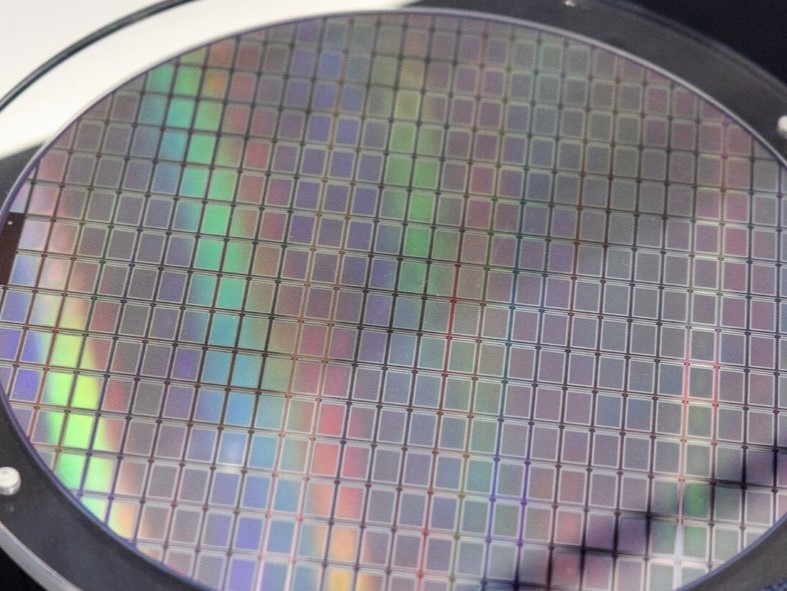 In the fast-evolving landscape of advanced packaging, UMC has charted a distinctive course. Rather than following a single path, the foundry is simultaneously expanding its silicon interposer capacity and positioning itself for next-generation TGV (Through-Glass Via) packaging technology—a dual-pronged approach that balances near-term demand with future-proofing.
Silicon Interposer – Doubling Capacity
In the silicon interposer domain, UMC pursues a clear, pragmatic strategy. The company focuses on wafer-level packaging, leveraging its own wafer platforms and collaborating closely with customers through co-development models. Currently, UMC's silicon interposer capacity has been increased from 3,000 wafers per month to 6,000, all concentrated at its Singapore facility, with the current process node at 55nm. Currently, Market demand for UMC's interposers remains robust. The company has engaged with more than ten customers, and over twenty new products are expected to complete tape-out in 2026. Major U.S. clients—including Qualcomm, Intel, and Sandisk—have been placing additional orders consistently.
Looking ahead, UMC's capacity expansion will target next-generation technologies, with potential deployments at both its Singapore and Tainan sites. Industry sources indicate that UMC is evaluating an expansion of its 12AP7 facility in Tainan, which could add up to 50,000 wafers per month of new capacity, focusing on specialty processes at 55nm and above. This expansion aims to strengthen AI-related applications such as DTC, silicon interposer, and silicon photonics.
TGV Glass Packaging – Targeting Post-Via Integration
Beyond its aggressive interposer ramp, UMC is also investing in TGV (Through-Glass Via) packaging technology. TGV involves forming conductive pathways through a glass substrate to interconnect multiple circuit layers. Compared with traditional silicon interposers, glass substrates offer superior properties—lower signal loss, better flatness, and dimensional stability—making them highly advantageous for high-frequency, high-speed transmission and large-form-factor packages. As demand for AI GPUs, HBM (High-Bandwidth Memory), and large-chip packages continues to surge, glass substrates are expected to gradually penetrate high-performance computing and AI server applications.
A key distinction in UMC's TGV strategy is its focus. Rather than concentrating on front-end glass via drilling or copper plating, UMC is targeting the critical post-TGV integration processes performed on the glass substrate. These include front-side RDL, temporary bonding, grinding, CMP, and subsequent glass carrier handling. Each of these steps is essential before the glass substrate enters final assembly, and they directly determine packaging yield and reliability.
Strategic Significance and Outlook
UMC's overall approach in advanced packaging is deliberately differentiated. Rather than competing head-on with major players like TSMC or ASE Group on their flagship products, UMC concentrates on wafer-level packaging technologies closely tied to wafer fabrication. The company primarily supplying silicon interposers to its OSAT partners, thereby helping alleviate CoWoS capacity bottlenecks.
Looking forward, as AI packaging technologies continue to evolve, UMC is well-placed to broaden its specialty process portfolio and unlock new growth drivers for its mature nodes. The company has indicated that meaningful high-volume production for its advanced packaging offerings is likely to materialize in the 2027–2028 timeframe.
CONEVO Chips Distributor
CONEVO is an independent distributor of electronic components, with over a decade of industry experience and a stable supply chain system. Its business covers multiple countries around the world. The core product lines include FPGA, MCU, DSP, data converters, power management ICs, and memory, providing emergency component supply and rapid chip solutions. The selected chip models of CONEVO recently are as follows.
● UCC25800AQDGNRQ1 —— Automotive-grade ultra-low EMI transformer driver, with a wide input range of 9V to 34V, and programmable frequency from 0.1 MHz to 1.2 MHz.
● CL21A226MAYNNNE - 0805 package, X5R material MLCC surface mount capacitor, 22μF capacitance, ±20% tolerance, 25V rated voltage.
● MT41K256M16TW-107: 4Gb DDR3L SDRAM memory, with a clock frequency of 933 MHz and a low voltage of 1.35V.
● PMEG3010BEA, 115 —— Schottky diode in SOD-323 package, with a reverse voltage rating of 30V and a rectification current of 1A.
Website: www.conevoelec.com
Email: info@conevoelec.com


